
At a Glance
| Feature | Damascus (Japanese) | German Steel |
|---|---|---|
| Steel hardness | 60-62 HRC | 54-58 HRC |
| Edge angle | 15° per side | 20-25° per side |
| Edge retention | Excellent (6-12 months) | Good (2-4 months) |
| Sharpness | Razor-sharp | Sharp |
| Weight | Lighter | Heavier |
| Toughness | Can chip on hard foods | Very tough |
| Maintenance | Hand wash, careful use | More forgiving |
| Aesthetic | Unique wave pattern | Plain steel |
Overview
Japanese Damascus and German steel knives are both excellent — but they are designed for different cutting styles. This guide explains the key differences in steel, geometry, and maintenance to help you choose.
Steel Hardness and Edge Retention
Japanese Damascus knives (VG-10 core) are hardened to 60-62 HRC — significantly harder than German knives (54-58 HRC). Harder steel holds a finer edge for longer but can chip if used for heavy tasks like chopping through bone.
Blade Geometry
Japanese knives are ground to 15-degree edge angles, producing a razor-sharp, thin cutting edge. German knives use 20-25 degree angles for a more robust but slightly less sharp edge. Japanese geometry excels at precision cutting; German geometry handles more abuse.
Cutting Style
Japanese knives favour a push-cut technique — drawing the blade through food in a smooth forward motion. German knives suit a rock-chop technique — rocking the curved blade back and forth on the board. Your preferred cutting style should influence your choice.
Maintenance
Japanese Damascus knives require hand washing, careful storage, and should not be used on hard materials (frozen food, bones). They need whetstone sharpening every 6-12 months. German knives tolerate more abuse and can be maintained with a honing steel and occasional professional sharpening.
The Verdict
For precision-focused home cooks who value sharpness and are willing to care for their tools, Japanese Damascus is the superior choice. For cooks who want a tough, low-maintenance blade, German steel works well. For most home kitchens, a Japanese chef's knife paired with a honing steel offers the best experience.
Why Damascus (Japanese)
Pros
- Significantly sharper and thinner edge
- Superior edge retention — stays sharp 3-4x longer
- Lighter weight reduces hand fatigue
- Each Damascus blade has a unique pattern
- Cleaner cuts preserve food texture and flavour
Cons
- Can chip if misused (bones, frozen food)
- Requires hand washing — not dishwasher safe
- Higher price point for quality Damascus steel
Recommended Products
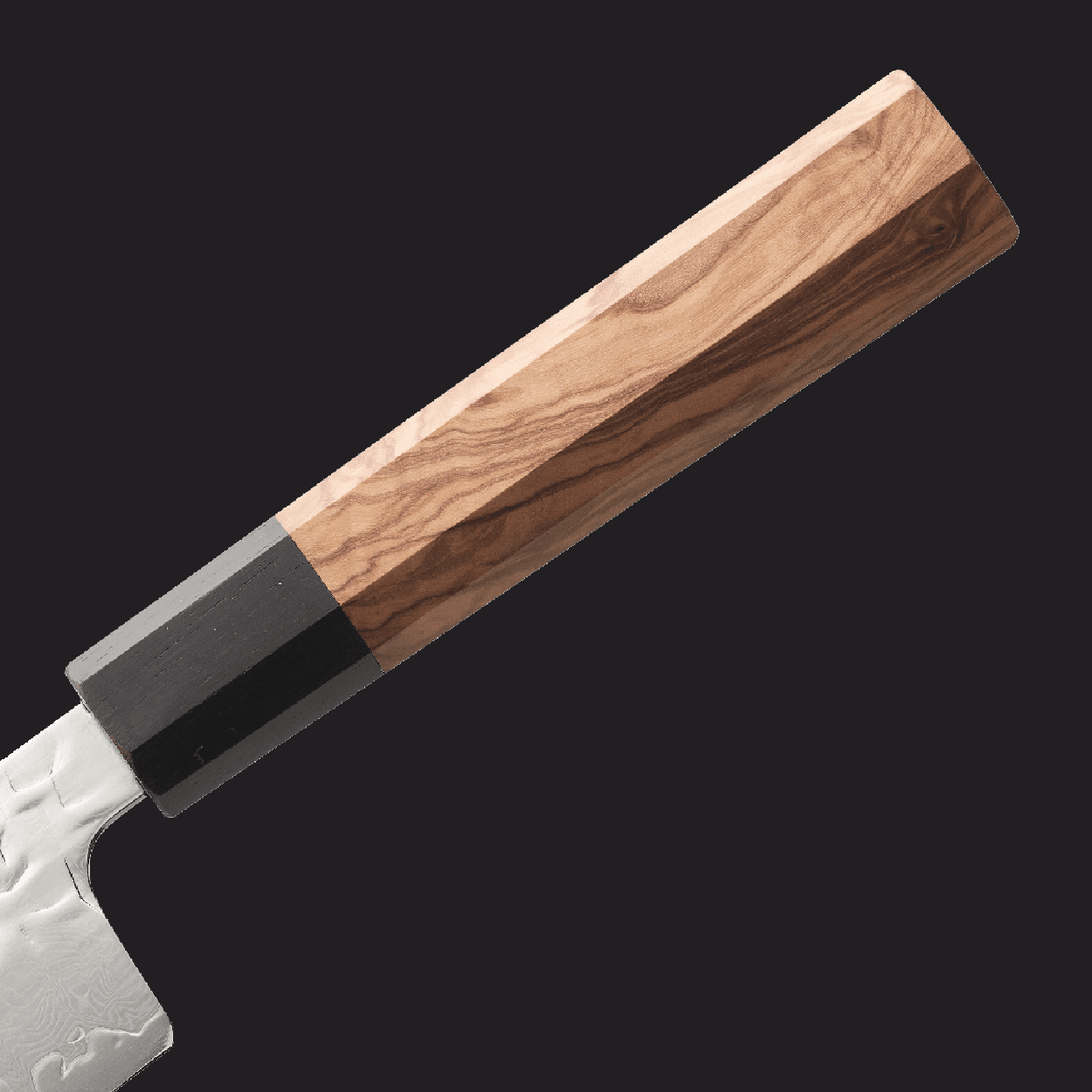
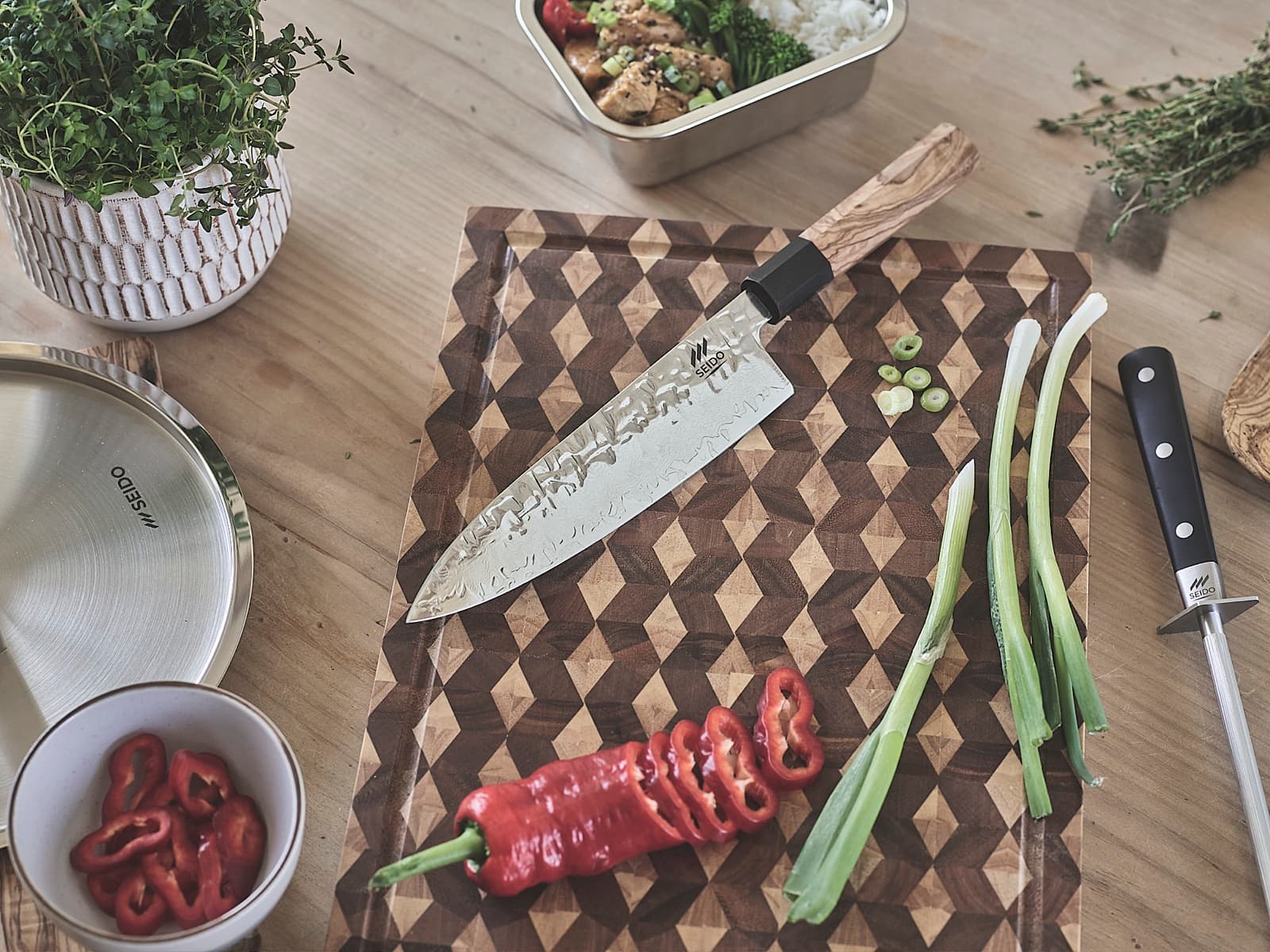
SEIDO 67-Layer Damascus Steel Chef's Knife
Hand-forged from 67 layers of high-carbon Damascus steel with a VG10 core. Ultra-sharp, balanced, and fitted with an olive wood octagonal handle.
Buy Now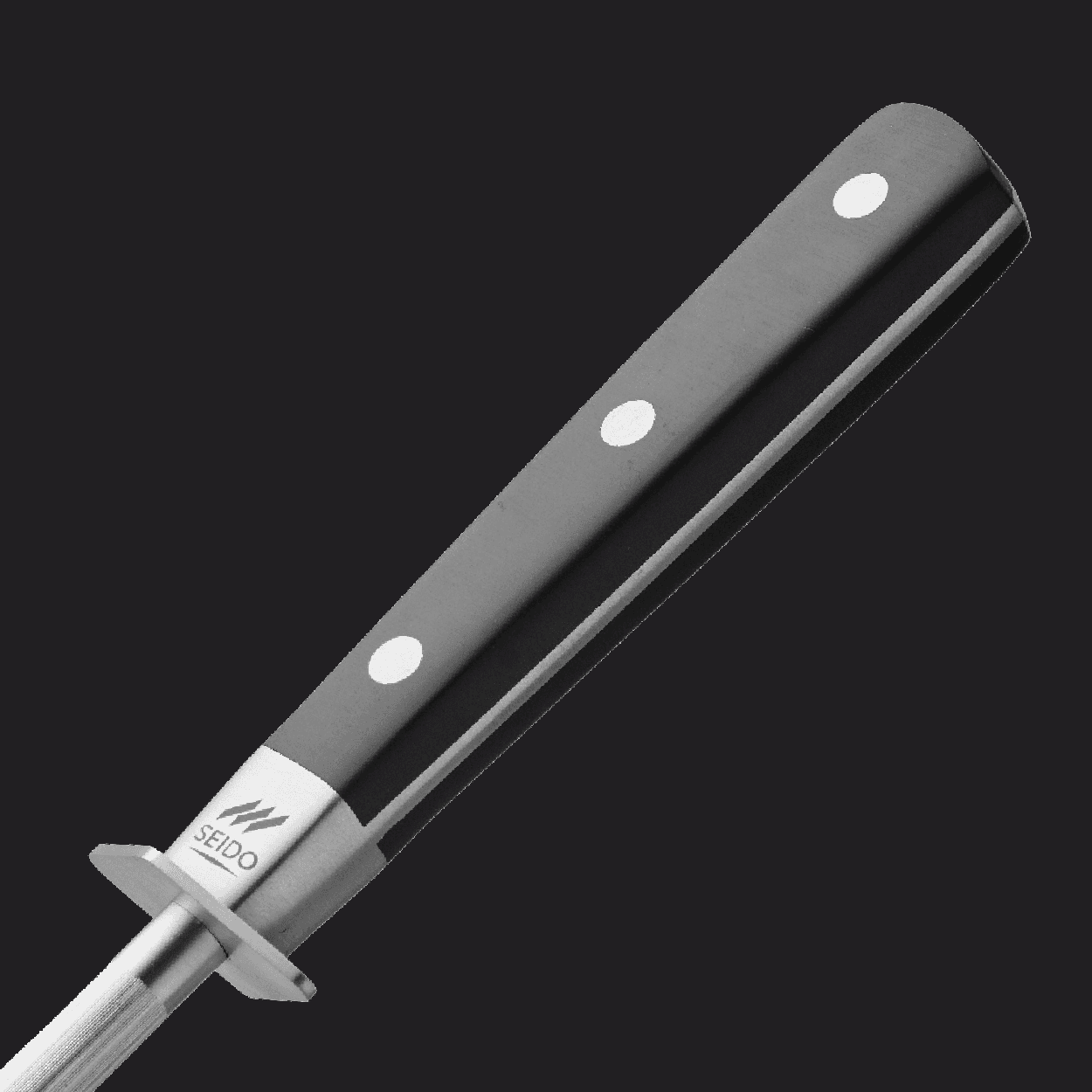
SEIDO Professional Honing Steel — 20cm
64 HRC high-carbon steel honing rod for maintaining knife edges. Precision-honed ridges realign blades without removing excess metal. Non-slip G10 riveted handle.
Buy NowFrequently Asked Questions
Can I use a Japanese knife for chopping vegetables?+
Absolutely. Japanese knives excel at vegetable prep — the thin, sharp blade makes clean cuts with minimal effort. Avoid twisting or prying motions that could chip the edge.
Is Damascus steel just for show?+
No. The 67-layer construction creates a functionally superior blade: the hard core holds a sharp edge while softer outer layers absorb shock. The wave pattern is a by-product of the engineering, not decoration.
Related Reading
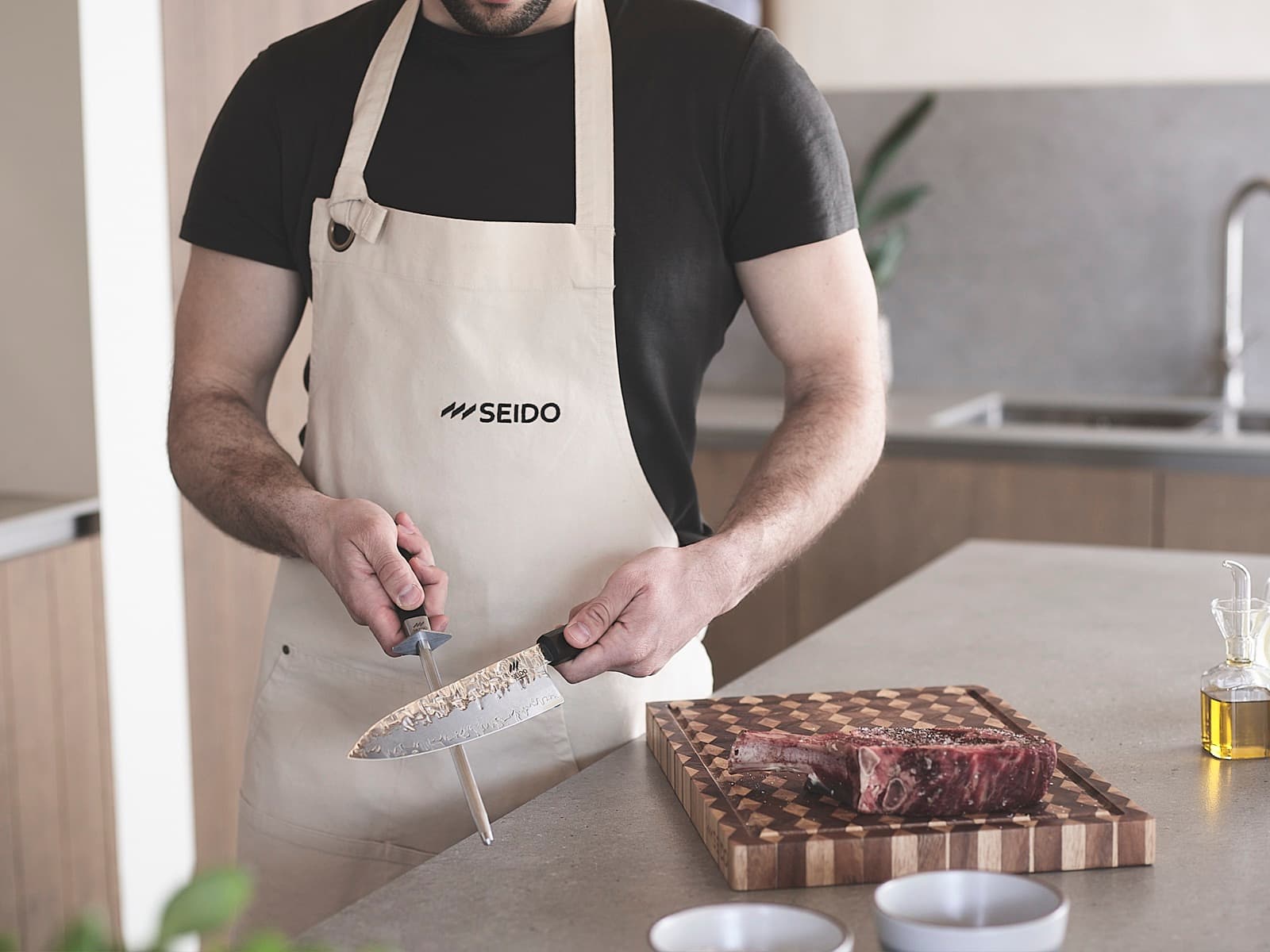
The Science Behind Damascus Steel
Those distinctive wave patterns are not just beautiful — they are the result of 67 layers of metallurgical engineering. Here is how Damascus steel knives are made.
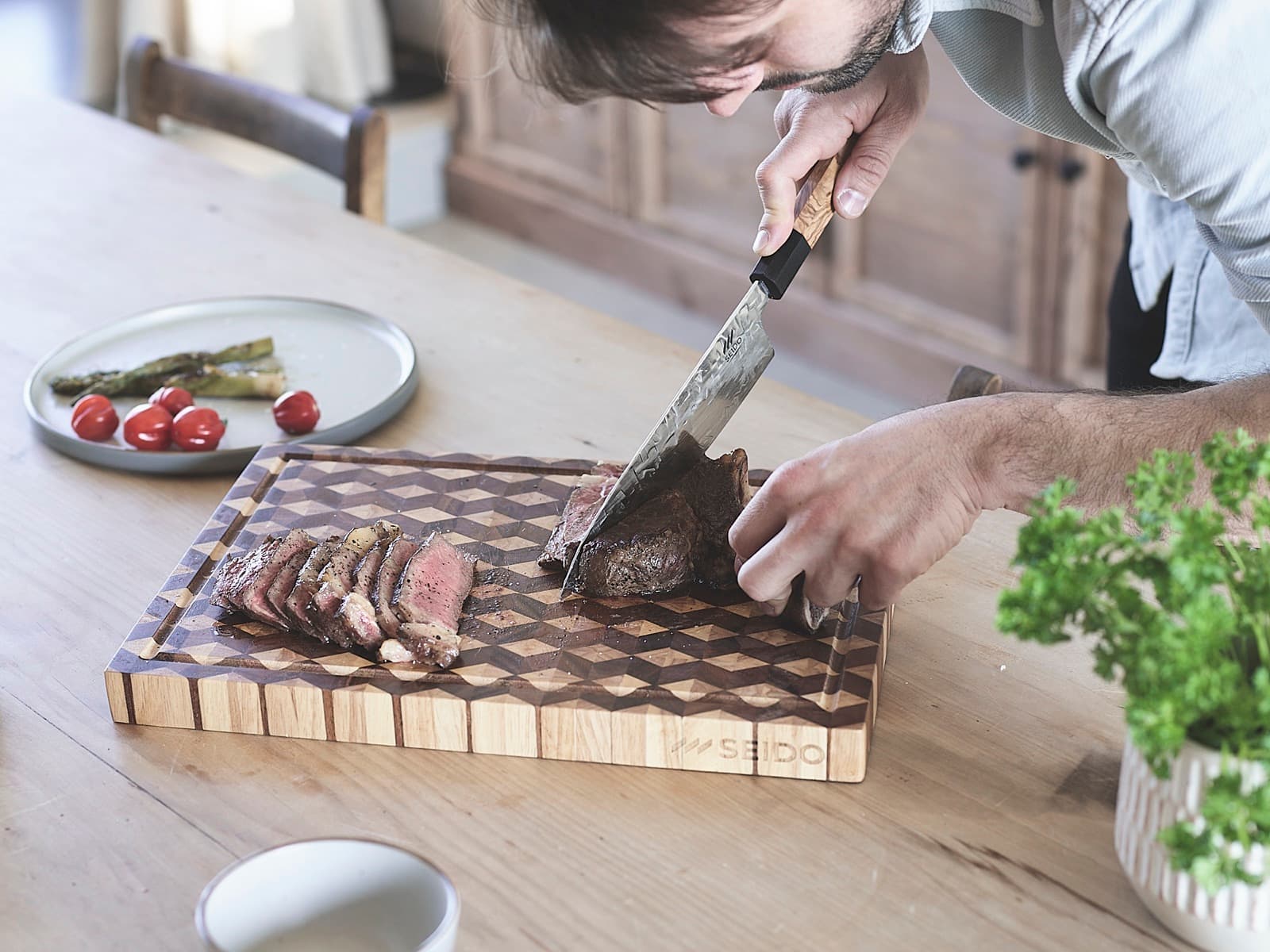
Why Japanese Knives Are Worth the Investment
Japanese knives cost more upfront, but their superior steel, sharper edges, and longer lifespan make them the best value for serious home cooks.
The Complete Knife Care Handbook
A sharp knife is a safe knife. Learn the essential techniques for maintaining your kitchen knives, from daily honing to long-term storage.