
At a Glance
| Feature | Damascus (VG-10) | Budget Stainless |
|---|---|---|
| Steel hardness | 60-62 HRC | 50-54 HRC |
| Edge angle | 15° per side | 20-25° per side |
| Edge retention | 6-12 months | 1-2 weeks |
| Blade layers | 67 layers | Single steel |
| Handle material | Olive wood / pakkawood | Plastic / rubber |
| Lifespan | 15-25 years | 2-5 years |
| Cost per year | ~£3 | ~£5 |
| Sharpening frequency | Every 6-12 months | Every 1-2 weeks |
Overview
A budget kitchen knife costs £10-25 and comes in every supermarket and homeware store. A quality Damascus chef knife costs £40-80. Is the premium justified? This guide compares the real-world differences in steel, sharpness, longevity, and the overall cutting experience.
Steel and Hardness
Budget knives use soft stainless steel hardened to 50-54 HRC. They are easy to sharpen but lose their edge within days of regular use. Damascus knives with a VG-10 core are hardened to 60-62 HRC — significantly harder steel that holds a sharp edge for months, not days.
Edge Retention
A budget knife needs sharpening every 1-2 weeks of regular use. A VG-10 Damascus knife holds its working edge for 6-12 months with basic honing. Over a year, a Damascus knife spends far more time sharp and ready to use.
Cutting Performance
A sharp budget knife cuts adequately. A sharp Damascus knife cuts effortlessly — the thinner blade geometry (15° vs 20-25°) and harder steel produce noticeably cleaner cuts. Herbs are sliced rather than bruised. Tomatoes glide rather than squash. The difference is felt immediately.
Aesthetics and Craftsmanship
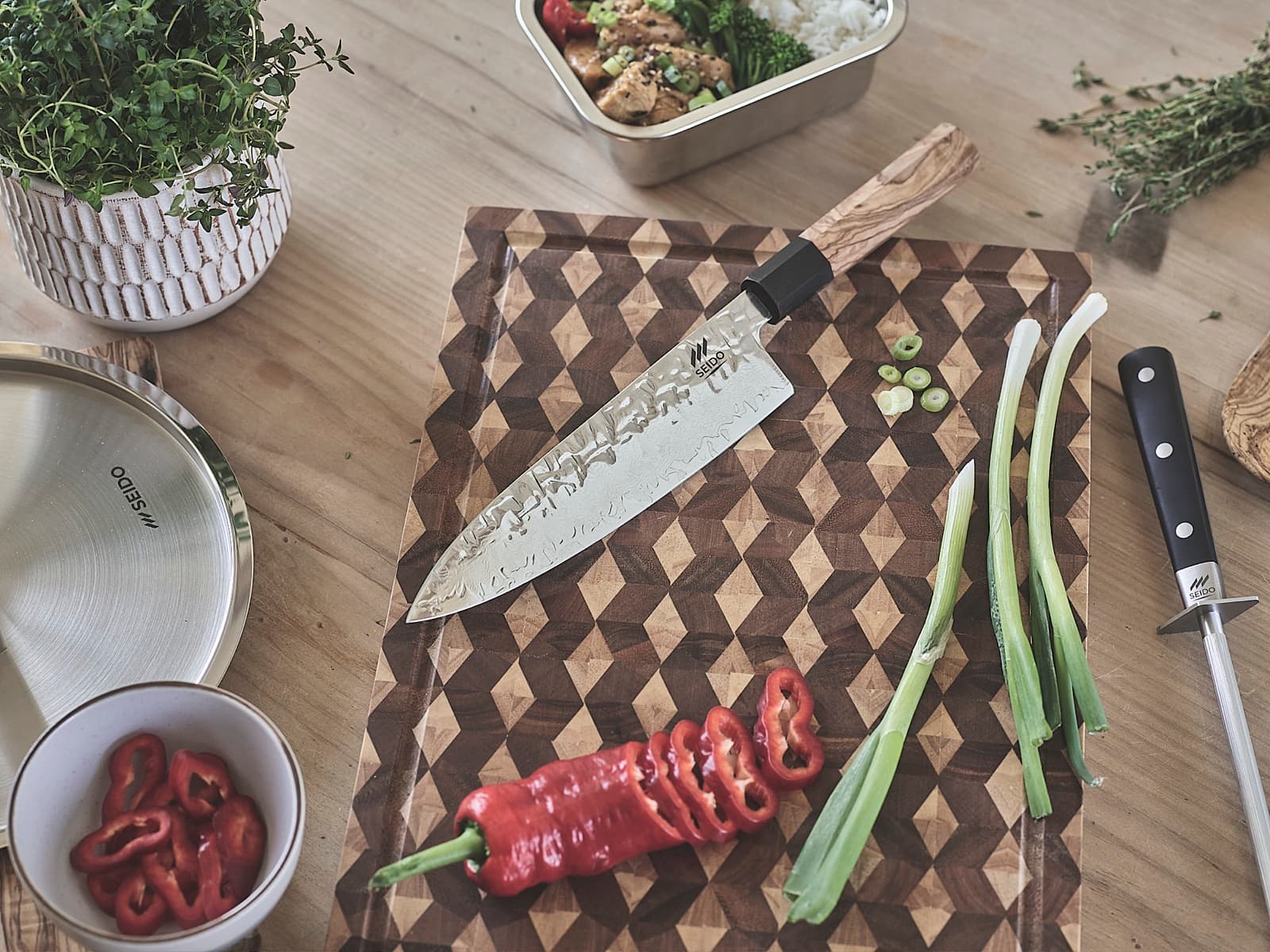
Budget knives are mass-produced with plastic handles and plain steel. Each Damascus knife has a unique 67-layer wave pattern — a functional by-product of the forging process that also makes it a beautiful kitchen tool. Quality handles in olive wood or pakkawood add to the tactile experience.
Longevity and Value
A budget knife lasts 2-5 years before the soft steel becomes impossible to sharpen effectively. At £15 every 3 years, that is £5/year. A Damascus knife lasts 15-25 years with proper care. At £60 over 20 years, that is £3/year — less than a budget knife, with vastly superior performance throughout.
The Verdict
A Damascus chef knife is one of the highest-return kitchen upgrades. The difference in daily cutting performance is substantial, and the long-term cost is actually lower than cycling through budget knives. If you cook regularly, it is worth the upgrade.
Why Damascus (VG-10)
Pros
- Vastly superior edge retention — stays sharp for months
- Thinner, harder blade produces cleaner cuts
- Each blade has a unique Damascus wave pattern
- Lower cost per year than replacing budget knives
- Premium handle materials for comfort and grip
Cons
- Higher upfront cost (£40-80 vs £10-25)
- Requires hand washing — not dishwasher safe
- Can chip if used on bones or frozen food
Recommended Products
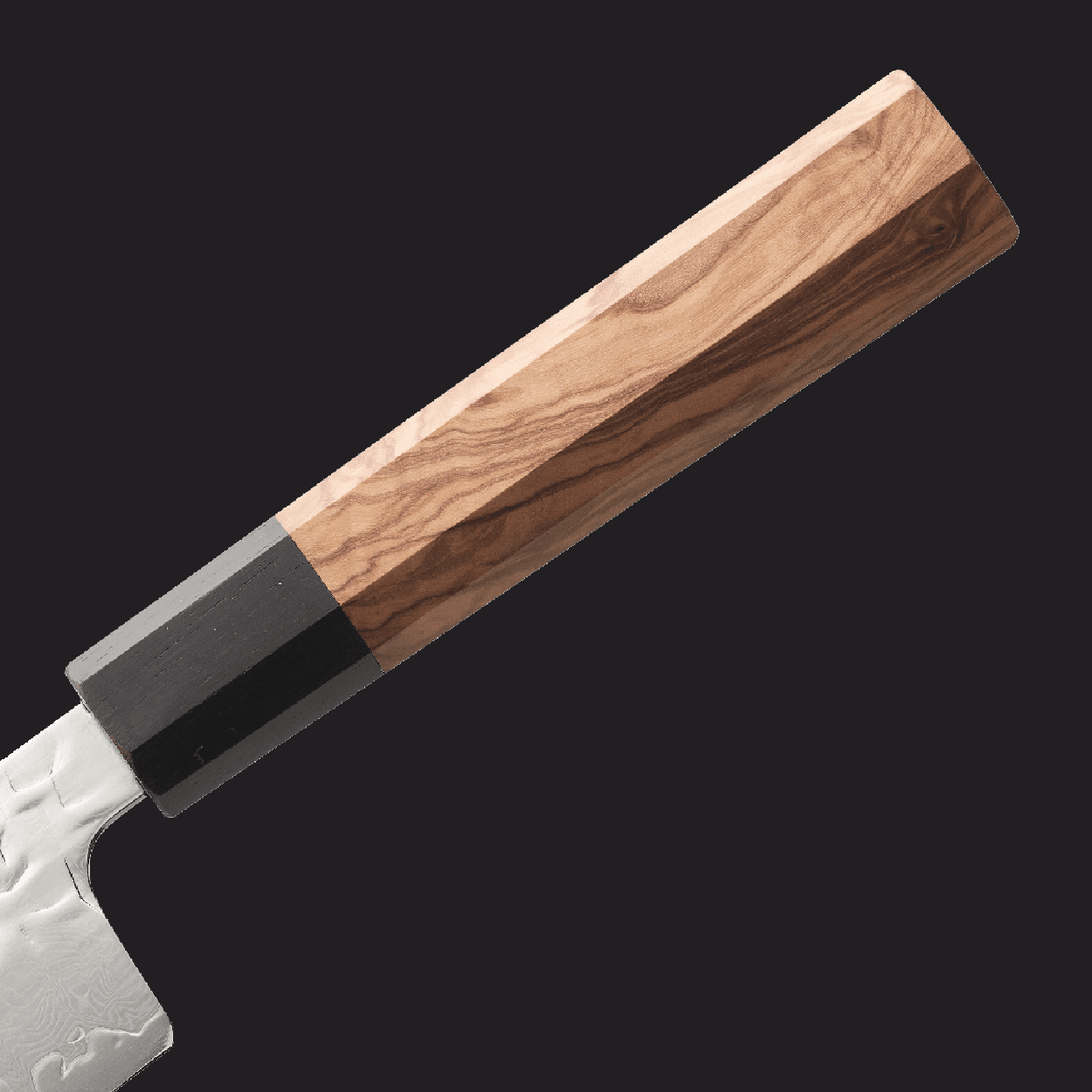
SEIDO 67-Layer Damascus Steel Chef's Knife
Hand-forged from 67 layers of high-carbon Damascus steel with a VG10 core. Ultra-sharp, balanced, and fitted with an olive wood octagonal handle.
Buy Now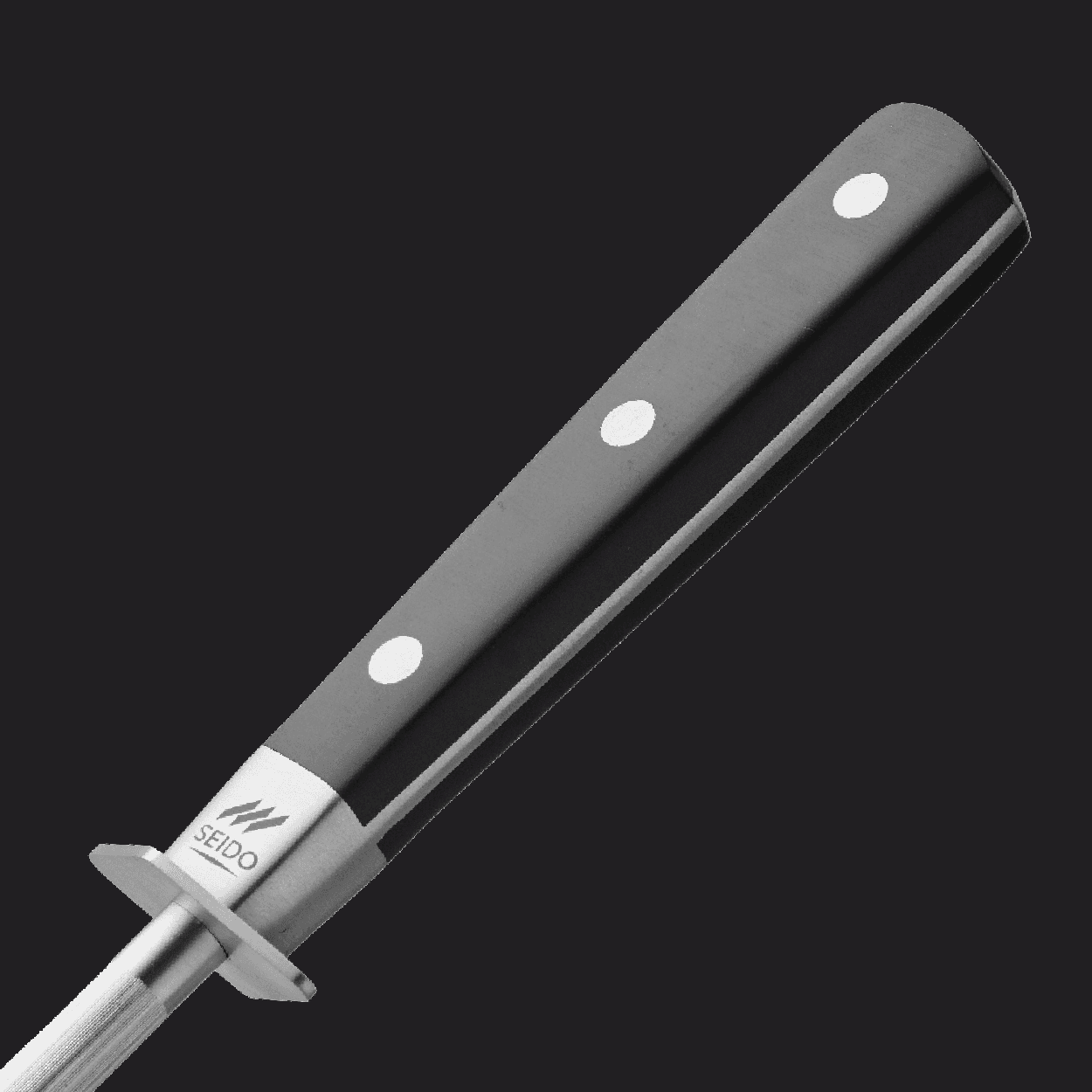
SEIDO Professional Honing Steel — 20cm
64 HRC high-carbon steel honing rod for maintaining knife edges. Precision-honed ridges realign blades without removing excess metal. Non-slip G10 riveted handle.
Buy NowFrequently Asked Questions
Is a Damascus knife too delicate for everyday cooking?+
No. Damascus knives are designed for daily use — vegetable prep, meat slicing, herb mincing. Just avoid hard materials like bones, frozen food, and glass cutting boards. Use a wooden or plastic board.
Do I need to sharpen a Damascus knife differently?+
A whetstone (1000/3000 grit) is recommended every 6-12 months. Daily honing with a honing steel maintains the edge between sharpenings. Avoid pull-through sharpeners which can damage the fine edge.
Related Reading
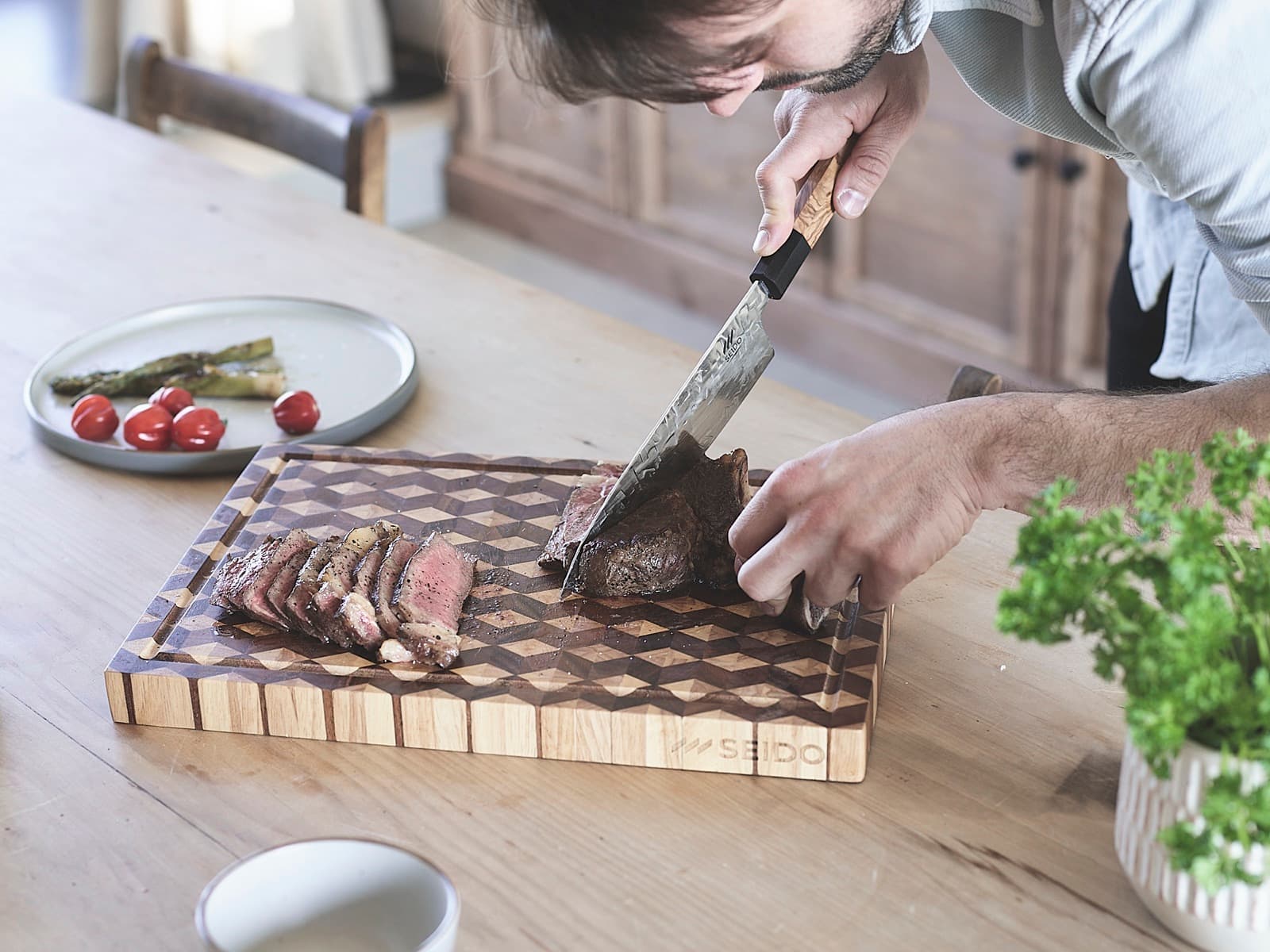
Why Japanese Knives Are Worth the Investment
Japanese knives cost more upfront, but their superior steel, sharper edges, and longer lifespan make them the best value for serious home cooks.
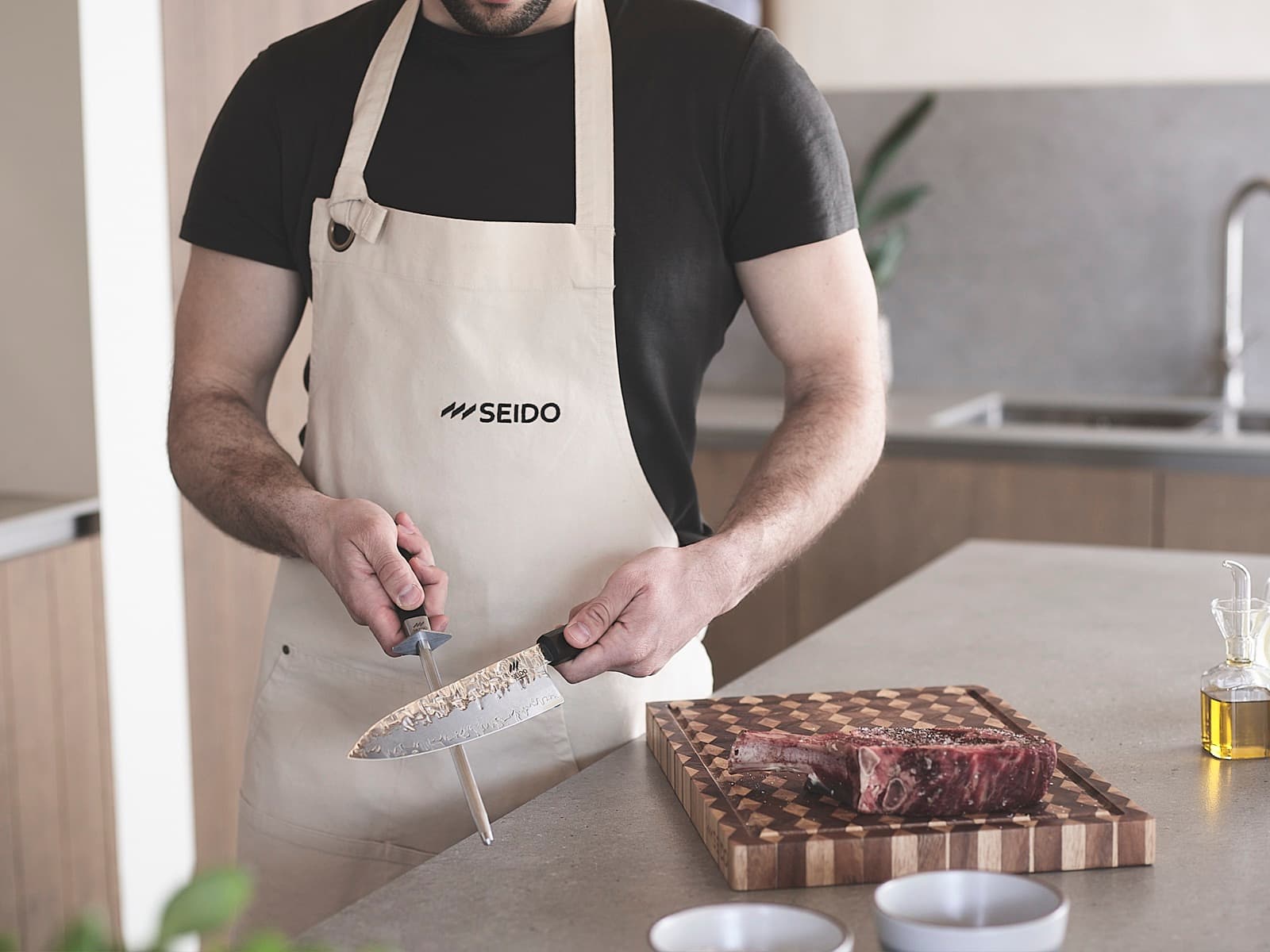
The Science Behind Damascus Steel
Those distinctive wave patterns are not just beautiful — they are the result of 67 layers of metallurgical engineering. Here is how Damascus steel knives are made.
The Complete Knife Care Handbook
A sharp knife is a safe knife. Learn the essential techniques for maintaining your kitchen knives, from daily honing to long-term storage.