
At a Glance
| Feature | Stainless Steel | Non-Stick |
|---|---|---|
| Lifespan | 20-30 years | 1-3 years |
| High-heat searing | Excellent | Not recommended |
| Oven safe | Yes (260°C+) | Limited (200°C) |
| Dishwasher safe | Yes | Not recommended |
| Metal utensils | Yes | No |
| Chemical coatings | None | PTFE or ceramic |
| PFAS free | Yes | Depends on coating |
| Pan sauces / deglazing | Excellent | Poor |
| Learning curve | Moderate | None |
| Cost per year | ~£2 | ~£15 |
Overview
Choosing between stainless steel and non-stick pans is one of the most common kitchen decisions. Non-stick offers convenience while stainless steel delivers durability and superior cooking results. This guide covers every factor to help you make the right choice for your kitchen.
Cooking Performance
Non-stick pans excel at low-stick cooking — eggs, pancakes, and fish release effortlessly. However, they cannot achieve the high-heat searing that develops fond (the caramelised bits used for pan sauces). Stainless steel pans handle all cooking techniques: searing, sautéing, deglazing, braising, and oven finishing. Once you master the preheat-and-oil technique, stainless steel delivers results non-stick simply cannot match.
Durability and Lifespan
Non-stick coatings degrade within 1-3 years from heat, utensils, and chemical breakdown. Replacement is inevitable. Stainless steel has no coating to wear out — the cooking surface is the steel itself, lasting 20-30 years with normal use. Over a decade, a single stainless steel pan replaces 3-5 non-stick pans.
Health and Safety
Traditional non-stick coatings contain PTFE (a PFAS compound). When overheated above 260°C, PTFE releases toxic fumes. Newer ceramic coatings avoid PFAS but lack long-term safety data. Stainless steel is completely inert — no coatings, no chemicals, no fumes at any temperature.
Maintenance
Non-stick requires gentle handling: no metal utensils, no abrasive sponges, no dishwasher (for longevity), and no high heat. Stainless steel is robust — use any utensils, any sponge, dishwasher safe, and oven safe to 260°C. The only technique to learn is proper preheating.
Value for Money
A quality non-stick pan costs £20-40 and lasts 2-3 years (£10-20/year). A quality stainless steel pan costs £30-50 and lasts 20+ years (£1.50-2.50/year). Stainless steel is the better long-term investment by a significant margin.
The Verdict
For everyday cooking versatility, durability, and health safety, stainless steel is the clear winner. Non-stick has a place for delicate tasks if you are unwilling to learn stainless steel technique, but it should not be your primary pan. Start with one quality stainless steel pan and you will likely never go back.
Why Stainless Steel
Pros
- Lasts decades with no degradation
- Handles all cooking techniques including high-heat searing
- No chemical coatings — completely PFAS free
- Oven safe, dishwasher safe, induction compatible
- Develops better flavour through fond and Maillard reaction
- Best long-term value for money
Cons
- Requires learning preheat technique
- Food can stick if pan is not properly heated
- Slightly heavier than non-stick alternatives
Recommended Products
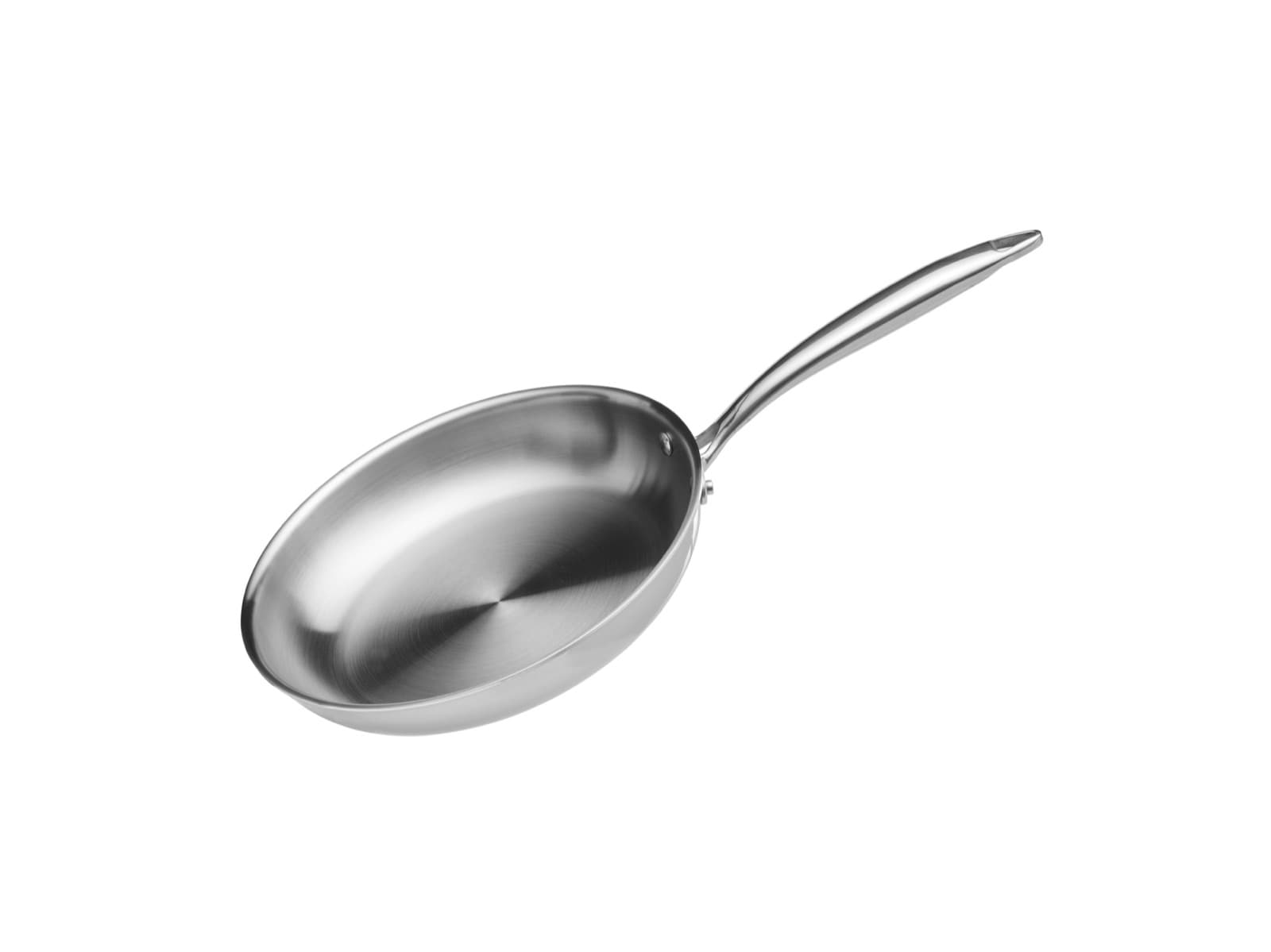
SEIDO Stainless Steel Frying Pan — 24cm
Mid-size triply stainless steel frying pan with ThermoCore 5-ply base. Uncoated, non-toxic, and built for daily cooking.
Buy NowFrequently Asked Questions
Is stainless steel harder to cook with than non-stick?+
There is a short learning curve — mainly mastering the preheat-and-oil technique. Most cooks are comfortable within a week. Once learned, stainless steel is just as easy to use daily.
Can I cook eggs in a stainless steel pan?+
Yes. Preheat the pan on medium heat, add butter or oil, and let the egg set before moving it. With proper technique, eggs release cleanly from stainless steel.
Why do professional chefs use stainless steel?+
Stainless steel handles high heat for searing, creates fond for pan sauces, transitions from hob to oven, and withstands the demands of a professional kitchen. Non-stick coatings would not survive a single service.
Related Reading
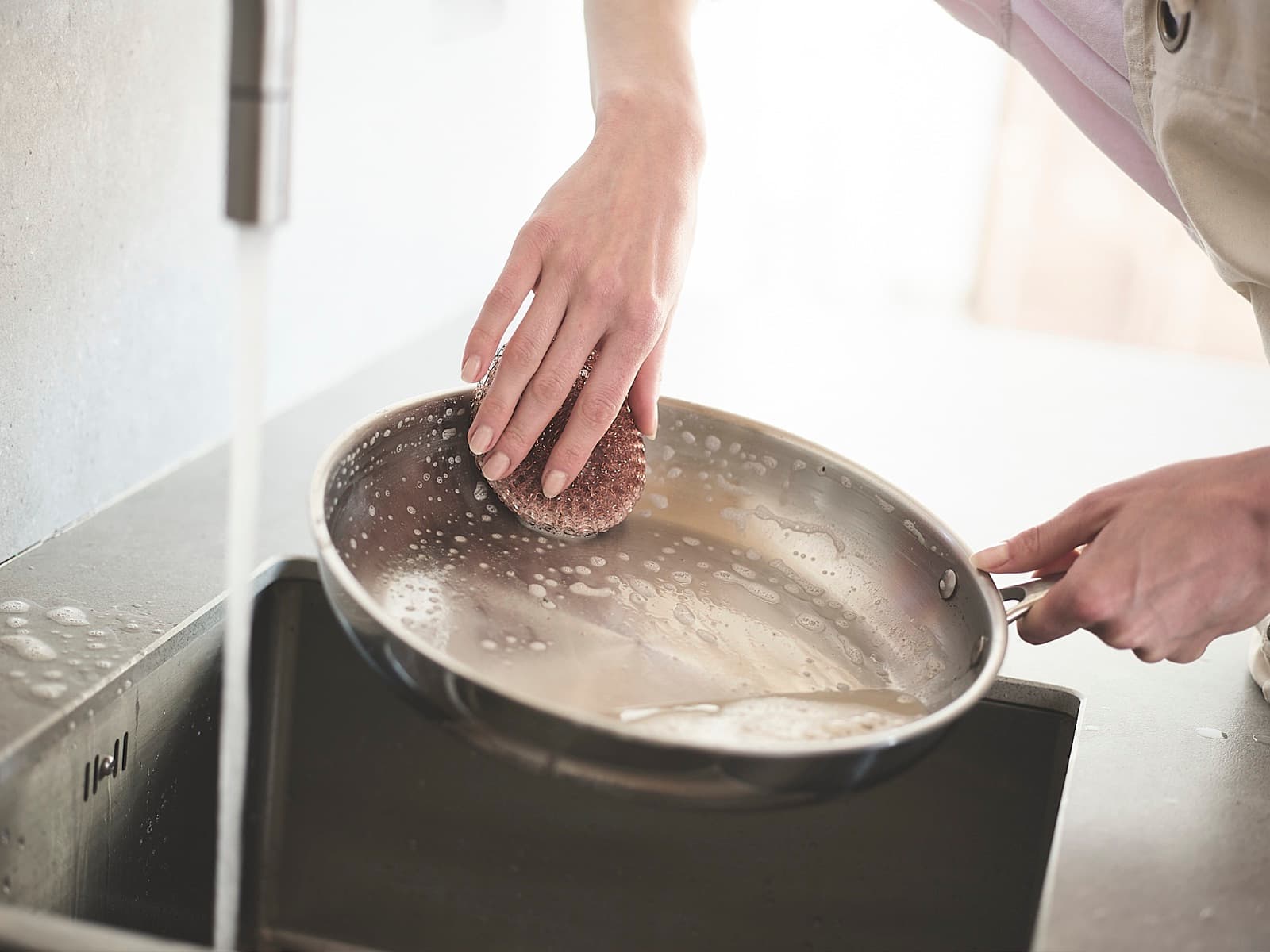
Is Stainless Steel Better Than Non-Stick? The Honest Answer
Non-stick is convenient, but stainless steel lasts longer and cooks better. Here is an honest, side-by-side comparison to help you make the right choice.
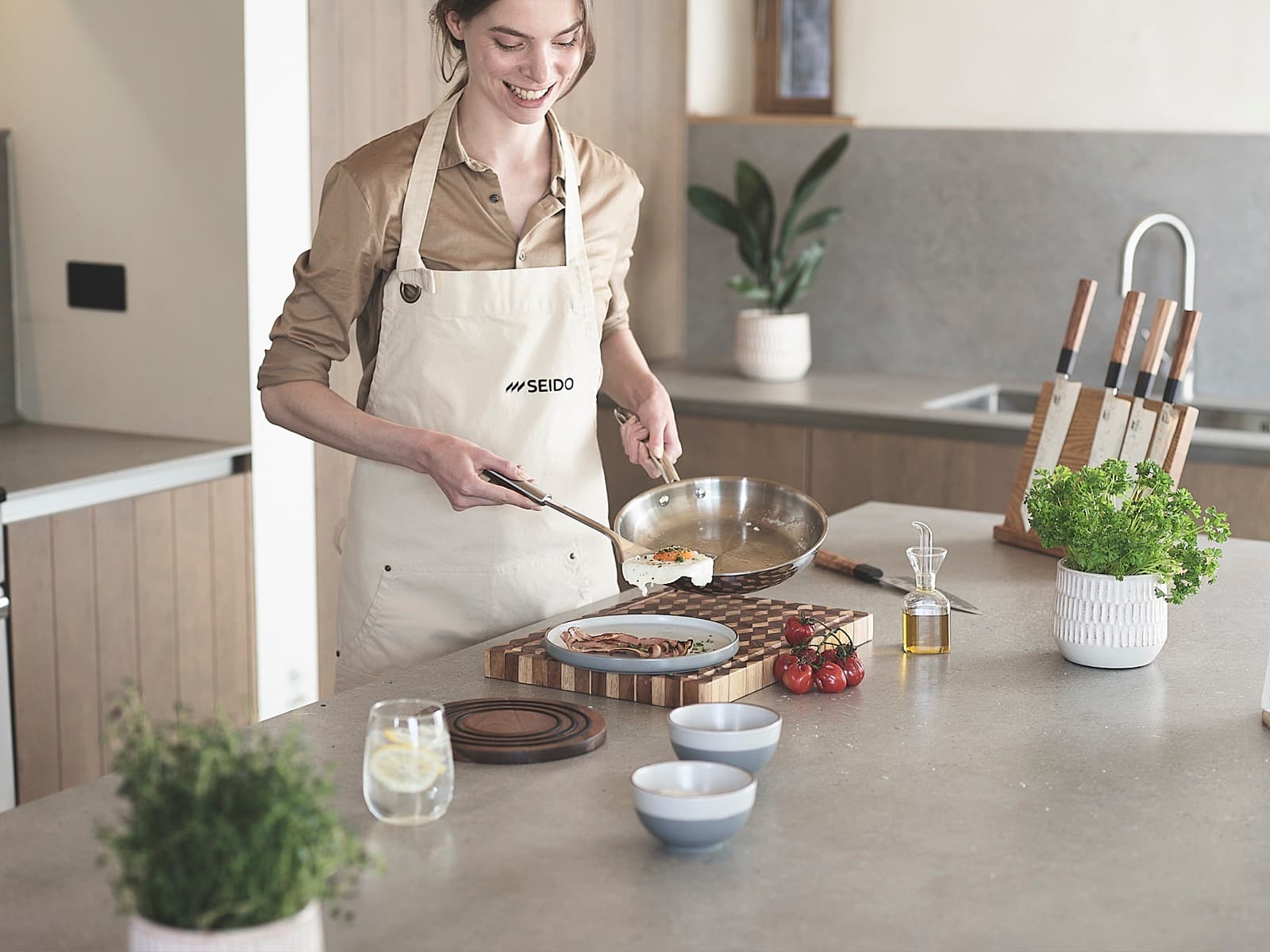
How to Cook with Stainless Steel: The Beginner's Guide
Stainless steel pans have a reputation for sticking. The truth is, with the right technique, they outperform non-stick. Here is everything you need to know.
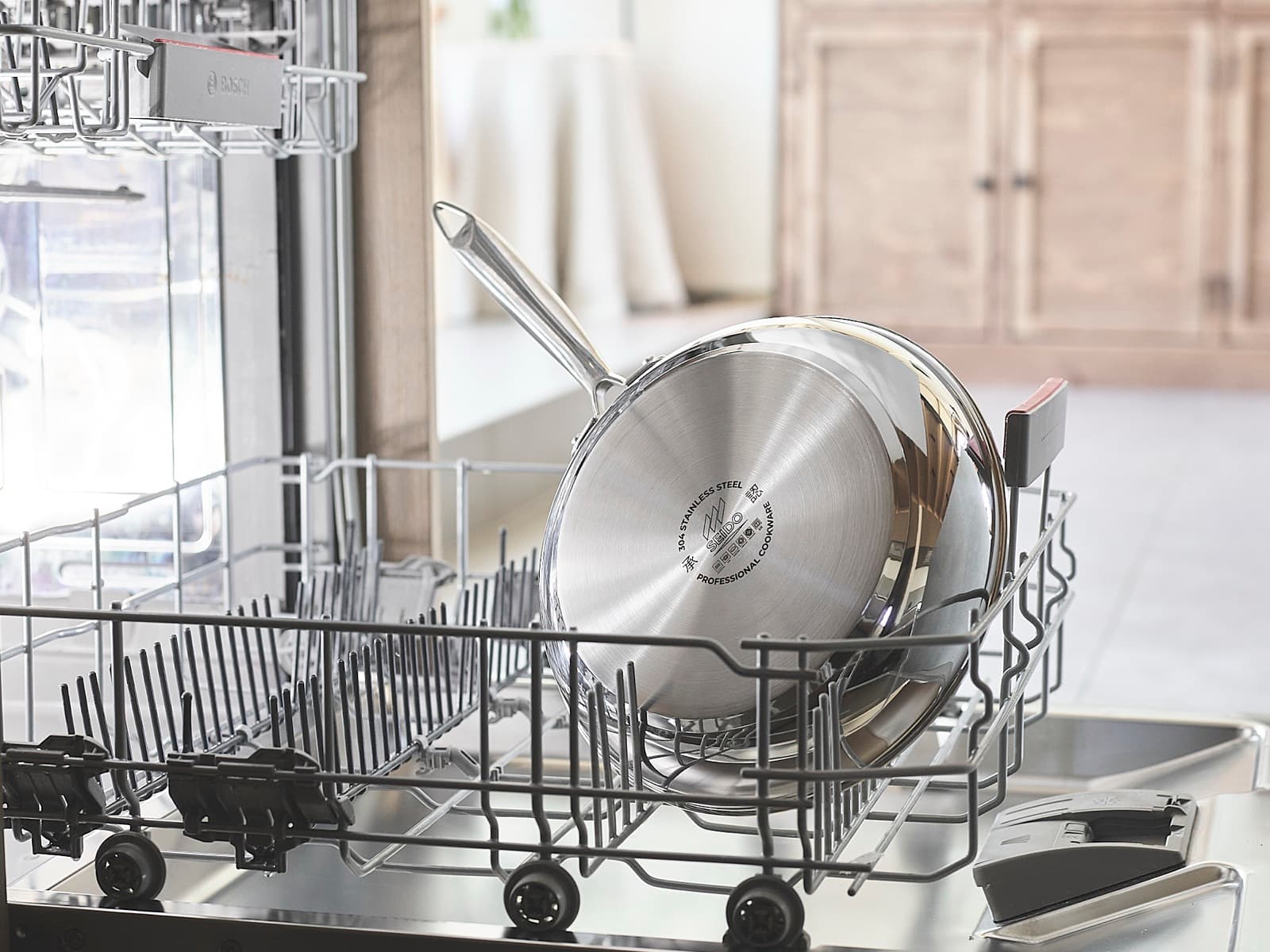
The Complete Guide to PFAS-Free Cookware
PFAS chemicals are under growing scrutiny worldwide. Learn what they are, why they matter, and how to choose cookware that keeps your family safe.