
At a Glance
| Feature | Stainless Steel | Copper |
|---|---|---|
| Heat conductivity | Good (with aluminium core) | Excellent |
| Temperature response | Good | Instant |
| Maintenance | Minimal | Regular polishing |
| Cost (24cm pan) | £30-50 | £150-400 |
| Induction compatible | Yes | Rarely |
| Dishwasher safe | Yes | No |
| Reactivity | Non-reactive | Reactive (needs lining) |
Overview
Copper cookware has the best thermal conductivity of any common cookware material. It is also beautiful, expensive, and high-maintenance. This guide compares copper with stainless steel to help you decide if the premium is justified.
Heat Conductivity
Copper conducts heat approximately 25 times better than stainless steel. This means instant, precise temperature response. However, modern multi-ply stainless steel (with aluminium cores) closes most of this gap for practical cooking purposes. The difference is most noticeable for temperature-sensitive tasks like making sauces or chocolate.
Maintenance
Copper tarnishes and requires regular polishing to maintain its appearance. It reacts with acidic foods and must be lined with tin or stainless steel. Copper pans with tin linings need periodic re-tinning. Stainless steel needs no polishing, no lining, and no special care.
Cost
Quality copper cookware costs 5-10 times more than comparable stainless steel. A single copper frying pan costs £150-400. Comparable stainless steel performance is available for £30-50. For most home cooks, the copper premium is not justified by the marginal performance improvement.
Induction Compatibility
Copper is not induction compatible unless it has a magnetic stainless steel base layer. Many traditional copper pans do not. Stainless steel with a magnetic base (like SEIDO pans) is fully induction compatible.
The Verdict
Copper is exceptional cookware for those who value ultimate heat control and do not mind the maintenance and cost. For the vast majority of home cooks, quality multi-ply stainless steel delivers 95% of the performance at a fraction of the price and effort.
Why Stainless Steel
Pros
- 95% of copper's performance at a fraction of the cost
- No polishing or special maintenance
- Fully induction compatible
- Dishwasher safe
- Non-reactive with all foods
Cons
- Copper has slightly better heat conductivity
- Copper has faster temperature response for precision work
Recommended Products
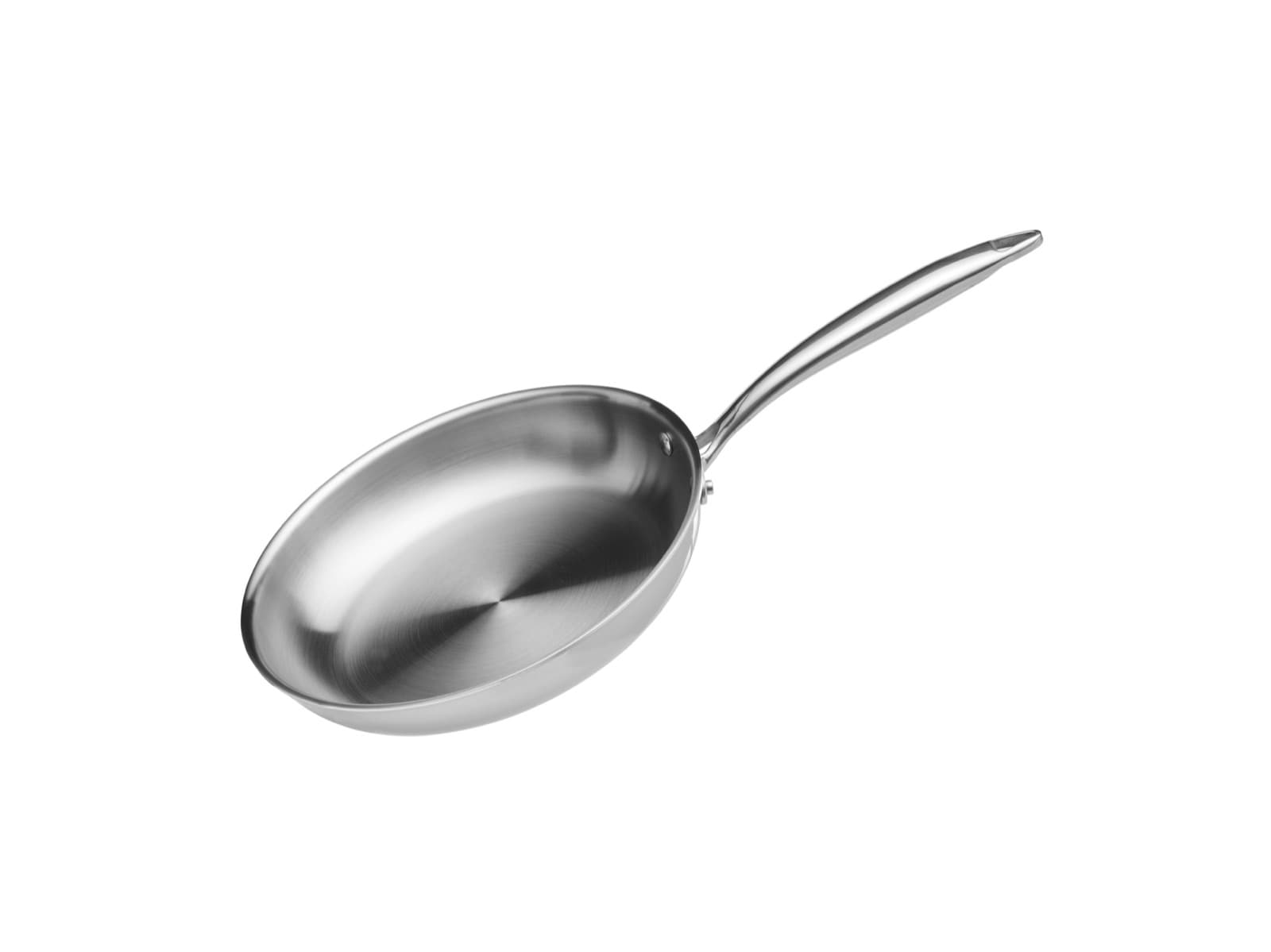
SEIDO Stainless Steel Frying Pan — 24cm
Mid-size triply stainless steel frying pan with ThermoCore 5-ply base. Uncoated, non-toxic, and built for daily cooking.
Buy NowFrequently Asked Questions
Is copper cookware worth the investment?+
For professional chefs and serious enthusiasts who make temperature-sensitive sauces daily, copper can justify its cost. For most home cooks, stainless steel delivers excellent results at a fraction of the price.
Can I use copper on an induction hob?+
Most copper pans are not induction compatible. Only copper pans with a bonded magnetic stainless steel base work on induction. Stainless steel pans like SEIDO's range are fully induction compatible.
Related Reading

5-Ply vs Tri-Ply Stainless Steel: What's the Difference?
Not all stainless steel cookware is created equal. Understand the difference between ply counts and why it matters for your cooking.
How to Cook with Stainless Steel: The Beginner's Guide
Stainless steel pans have a reputation for sticking. The truth is, with the right technique, they outperform non-stick. Here is everything you need to know.